Common identity and history of castles and museums around the Baltic Sea
A beautiful belt of towns, castles and fortresses encircles the Baltic Sea. Economic and cultural connections tie them tight to each other. As centuries passed by more and more people visited the closely intertwined network of towns and cities, some of which were power centers. People brought along tangible and intangible possessions – goods, booty, ideas, knowledge and skills. Despite several efforts (some of which were almost successful), no single Baltic Sea state was ever established. Nevertheless the sea served as an economic and cultural connector of many people living in this area.
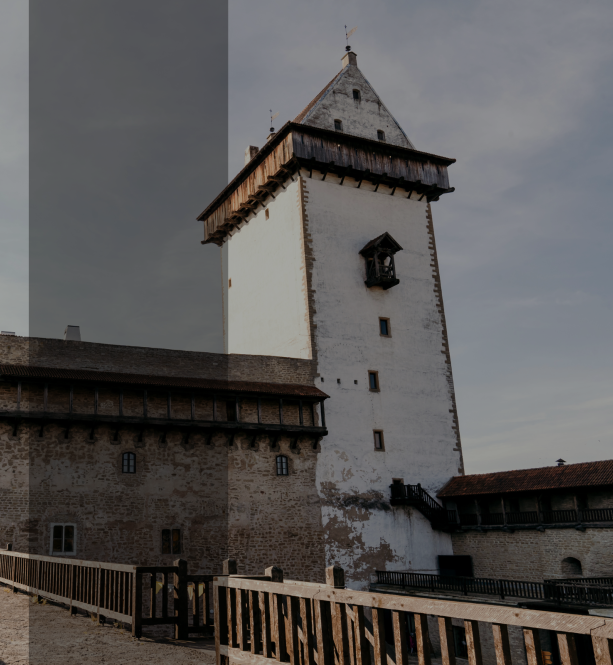
Towns, fortresses and castles in the countries bordering the Baltic Sea are all parts of the common Baltic Sea region's historical heritage despite everything else that may differ: constructors, time of construction, historical affiliation or modern type of ownership. To familiarize and promote further such historical heritage the Association of Castles and Museums around the Baltic Sea was established in 1991. Now 40 castles and museums from 9 countries are its members. Three of them – Narva Castle in Estonia, Häme Castle in Finland and Skokloster Castle in Sweden are cooperating closely in the international project „Agora 2.0 - Heritage Tourism for Increased BSR Identity“, which aims at promoting the historical and architectural heritage of the Baltic Sea Region and its underlying common identity.
|